Bring Someone Who Changes the Temperature: The 2026 Plus-One Casting Memo
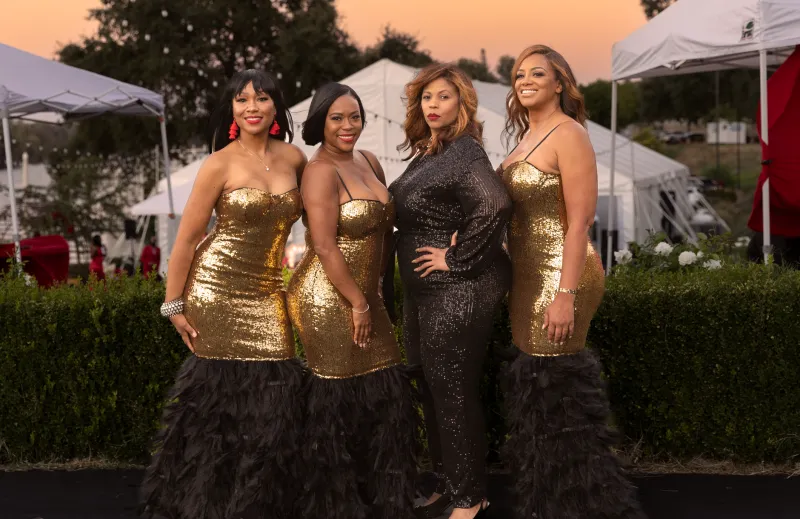
The invitation lands with the usual line: plus-one. In 2026, that line is not a romantic formality. It is a casting note. A premiere in Los Angeles, a media dinner in New York, a conference afterparty in Austin, a gallery opening with half the room pretending not to network—everywhere women are running the room, the guest beside them is doing quiet, deliberate work. The plus-one is no longer who you bring because you have a slot. It is who you bring because the slot is a statement.
The Invitation Is a Script
A plus-one used to be read as a romantic box checked. Now it reads like narrative infrastructure. Who gets the seat beside you at the awards-season table? Who walks the carpet half a step behind—or beside—you? Who do you trust to stand in a cluster of executives, hold a drink, and not say the wrong thing? The answer tells people how you move, who you protect, and what kind of power you are building.
This is not about using people as props. It is about recognizing that rooms are stories, and every story has a supporting cast. The women who understand this do not treat the plus-one as an accessory. They treat it as a collaboration. They choose someone who can handle the temperature of the room and maybe change it a little.
A Field Guide to the 2026 Plus-One
The sharpest choices tend to fall into a few archetypes. None is better than the other. The point is knowing which one the night requires.
The Amplifier. This person makes you louder without stealing the mic. They know when to laugh, when to name your latest project, and when to step back so the spotlight lands clean. The Amplifier is generous by instinct and strategic by training. They are the guest you bring when you want the room to remember what you said, not just that you arrived.
The Witness. Calm, credible, unbothered by the camera. The Witness does not need to perform. Their presence says: this woman has people. The Witness is the friend who has seen you through the messy middle and can sit through a three-hour gala without making it about themselves. In a culture that mistakes noise for importance, the Witness is a flex of a different kind.
The Connector. The Connector walks in knowing the photographer, the publicist, and the person who controls the next round of funding. They are not there to hand out business cards like confetti. They are there to open a door and then let you walk through it. Bringing a Connector says you understand that access is a group project.
The Mirror. The Mirror reflects your best self back at you—and asks better questions than anyone else in the room. They are the guest who notices when your shoulders are up around your ears and says the one thing that makes you laugh. The Mirror is not a hype person. They are a grounding wire.
The Anchor. The Anchor handles the awkward stuff. They find the coat check. They remember the name of the person you blanked on. They make small talk with the spouse who does not want to be there. The Anchor is not glamorous in the traditional sense, but they are the reason you can be glamorous without spinning out.
The Wildcard. The Wildcard is unexpected. A chef, a scientist, a stylist, a friend from a completely different industry. They bring heat because they do not play by the room's rules. The Wildcard is a risk, and that is the point. Used well, they make you look curious, connected, and unafraid of a little friction.
What the Choice Actually Says
Bringing a mentor says you respect lineage. Bringing a colleague says you believe in shared credit. Bringing a friend says you are not so consumed by ambition that you forgot how to be a person. Bringing a partner says stability, if that is the story you want to tell. Bringing no one says you are fine on your own, which is also a story.
The mistake is pretending the choice is neutral. It is not. People read the guest before they read the guest list. They notice if your plus-one is checked out, overperforming, or glued to their phone. They notice if you abandon them by the bar. They notice if you introduce them with genuine warmth or with the vague energy of someone who forgot their name.
The New Etiquette of the Plus-One
A plus-one is not a surprise ambush. Brief them. Tell them who will be there, what the vibe is, and what you need from them. Give them an exit strategy. Do not use them as a human shield against conversations you do not want to have. And for the love of a good entrance, do not treat them like scenery.
The best plus-ones are co-stars, not supporting players. They know when to lean in and when to disappear into the crowd. They know the difference between being supportive and being a spokesperson. They make you more yourself, not more managed.
In 2026, the plus-one is a casting decision. Choose someone who can hold the room without gripping it. Choose someone who changes the temperature. The right guest is not the loudest flex. It is the quietest one—and the one people remember long after the lights go down.