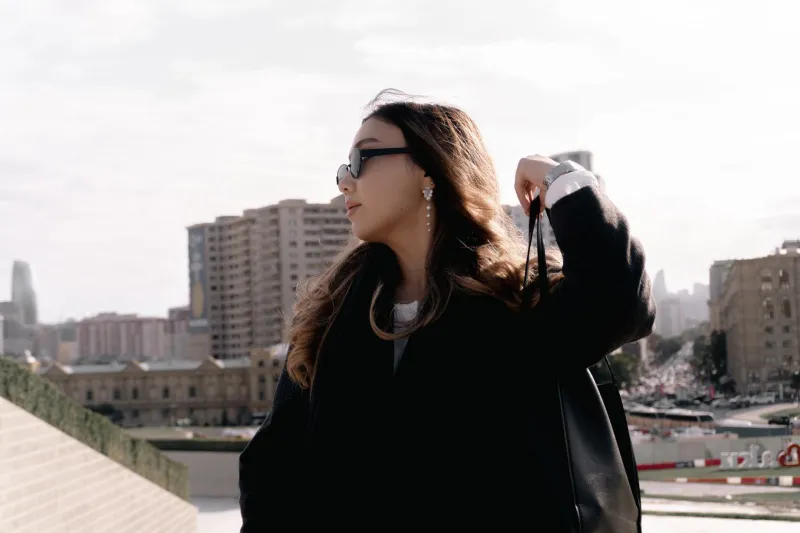
Daylight Is the New Prime Time: The Women Ruling 2026’s Power Lunch
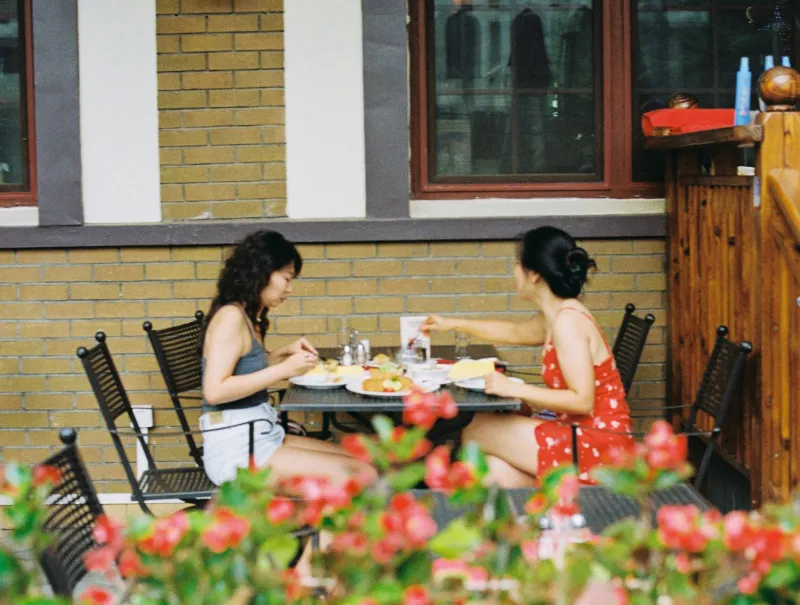
Forget the back booth. In 2026, the power lunch is not a secret handshake; it is a public performance with a reservation time and a very deliberate check. The most interesting deals in entertainment are being worked in daylight—over chopped salads, sparkling water, and the kind of eye contact that says the decision is already 80 percent made.
That is the 267 Empress read on the noon table: glamour with guts, minus the smoke. A midnight booth can hide a bad idea. A Tuesday at 12:30 in a room full of agents, assistants, and people who know your name? That exposes everything. Which is exactly why the women below use it.
Names have been changed for privacy; the tactics are not hypothetical.
The Room Is the Message
The power lunch used to be about being overheard. Now it is about being seen making the call. In Los Angeles, New York, Nashville, and Atlanta, the noon reservation has become a brand asset—proof that you are not hiding, not stalling, and not afraid of a witness. The daylight setting says the deal can survive scrutiny. The check says someone is ready to move.
The Nine at the Table
1. The Financier Who Casts the Room
Nadia Reyes, an independent film financier in Los Angeles, books a banquette facing the door and arrives seven minutes early. She orders still water and one espresso. Before the first pour, she says the number she can live with. 'I do not pitch at lunch,' she says. 'I cast the lunch. By the time the entree lands, everyone knows their role.' She closes before dessert. Always. Dessert is for celebration, not negotiation.
2. The Showrunner Who Rewrites the Narrative
Camille Wu uses lunch to reset a story after a recasting. She brings a one-page timeline, no deck. She lets the other person talk first, then asks for one thing: a decision date. The meal is friendly. The ask is not.
3. The Music Manager With the Daylight Comeback
Tessa Boone manages a pop artist rebuilding after a public misstep. She books a table at a Nashville hotel restaurant with a piano in sight, orders sparkling water with a twist, and says the word 'comeback' only once. Then she plays 20 seconds of a demo at low volume. The room does the rest.
4. The Media Executive Who Books the Silence
Priya Shah runs a podcast network and chooses restaurants with low music and soft ceilings. She asks for a table away from the kitchen and uses lunch to close a slate of shows, not one. She brings two offers and no third. 'A third option is just a delay with a menu.'
5. The Restaurateur Who Controls the Stage
Marisol Vega owns a hospitality group in Atlanta, and she hosts the lunch, not just books it. She seats allies next to each other and rivals across. She trains staff to refill water at the exact moment a pause needs filling. The room is a co-star.
6. The Agent Who Pivots the Image
Erin Calloway, a New York talent agent, uses lunch to move a client from 'problem' to 'prestige.' She wears one strong piece, no logo. She orders first, simply, so the other person stops performing. She never says 'reinvention.' She says 'next chapter.'
7. The Designer Who Wears the Deal
June Park, a costume designer turned brand founder, closes licensing over lunch in Los Angeles. She wears the product—a belt, a scarf, a shoe—not the whole look. She brings a sample in a dust bag and lets the buyer touch it before she mentions money.
8. The Publicist Who Stages the Apology
Dana Brooks, a crisis publicist in New York, books a corner table with a wall behind her client. Phones face down. The statement is already written; lunch is for tone. She orders coffee first. 'You cannot apologize over a salad you are afraid to eat.' She leaves before the room turns over.
9. The Composer Who Scores the Greenlight
Imani Grace, a film composer, uses lunch to get a score approved. She brings headphones and a 45-second cue, plays it before the first pour, then closes the laptop. 'The music makes the argument. I make the ask.'
The Choreography: Seats, Orders, and the Check
The seat matters. Face the room, not the wall. Sit where the light flatters but the table does not feel like a stage. Order something easy to eat and easy to abandon. Keep the props minimal: one folder, one phone face down, one strong accessory. The check is not admin; it is a closing argument. If you are hosting, say 'I have got this' before the folder lands. If you are being courted, let them. Then follow up before the dinner rush.
The 267 Empress Playbook
- Book the room, not just the table. The restaurant is part of the pitch.
- Arrive early enough to own your entrance and late enough not to look anxious.
- Say the real thing before the first pour. Ambiguity is expensive.
- Order like you have somewhere to be—because you do.
- Wear one thing that signals power without asking for permission.
- Treat the check as a cue, not a chore.
- Leave on the upswing, not after the coffee goes cold.
- Send the follow-up while the room still remembers you.
The Daylight Advantage
The power lunch is not softer than the late-night deal. It is braver. It asks you to be precise in good light, with a menu in your hand and a witness at the next table. The women who run the noon table know the truth: glamour is not candlelight. Glamour is being seen closing the deal—and making it look like the best part of the day.