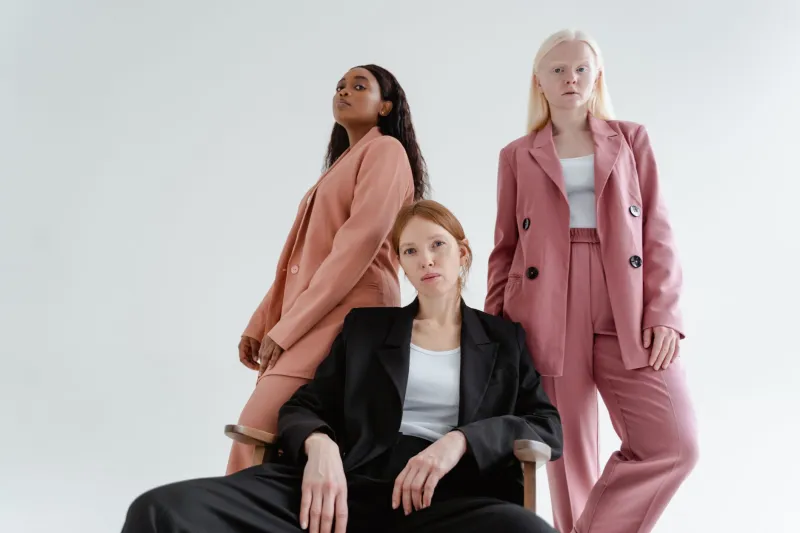
The Glamour Line Item: Why Presence Is on the Budget Now

Photo by Photo by Julio Lopez on Unsplash on Unsplash
On a Tuesday morning in Chicago, a sales director named Renee does a final check in the mirror before a client pitch. The blazer is not new. The lipstick is. The blowout was booked two weeks ago, the same way she books her quarterly tax call. Renee is not famous, not an influencer, and not trying to be. She is part of a quieter shift happening across the US in 2026: women are treating glamour like a line item—deliberate, budgeted, and tied to the work they want to do in the world.
This is not the old story about dressing for the job you want. It is more specific than that. It is about presence as infrastructure. Call it the glamour line item.
The New Line Item
A Denver financial planner says her clients have started asking for what they call a 'presence allocation'—a set amount each quarter for the things that make them feel sharp, visible, and ready. Sometimes it is $60 for a haircut before a conference. Sometimes it is $600 for a suit that actually fits. The amount matters less than the mindset. These women are not hiding the expense in a shame folder labeled 'miscellaneous.' They are naming it.
A Brooklyn stylist who works with founders and creative directors says the request has changed, too. Five years ago, clients wanted outfits for events. Now they want systems. 'They want a uniform for the days they have to be on,' she says. 'Not a costume. A decision they do not have to make at 7 a.m.'
That is the practical appeal. Glamour, when it is working, removes friction. It shortens the gap between how a woman feels and how she wants to be seen. For women in client-facing roles, on camera, in leadership, or building a personal brand, that gap has a cost.
The Career Math
Let us be clear: no woman should have to be beautiful to be taken seriously. That is the world we should be building. But in the world we are in, presence is read. Labor economists have long documented appearance bias, and women—especially women of color, older women, and women whose style does not fit a corporate template—often pay a higher tax for being underestimated. The glamour budget is one response to that math. It is not fair. It is also not nothing.
An Austin entrepreneur who runs a small design studio budgets about 4 percent of her revenue for what she calls her 'front porch': wardrobe, skin, hair, and the occasional professional photo shoot. She does not think of it as vanity. She thinks of it as marketing. 'People meet the studio through me first,' she says. 'If I look scattered, they assume the work is scattered.'
That logic can be empowering. It can also become a trap. The difference is usually not the amount spent. It is the intention behind it.
Where It Tips Into Pressure
The pressure shows up in small ways first. A woman buys the 'right' bag for a promotion she has not gotten yet. A freelancer books a facial instead of a retirement contribution. A team lead notices that the get-ready routine has quietly expanded from 20 minutes to 90, and the extra hour is not feeling like power anymore. It is feeling like homework.
The Denver financial planner has a simple warning: if the glamour line item is carrying a credit card balance, it is not an asset. It is a liability. 'I love a good blazer,' she says. 'I do not love 24 percent interest on a good blazer.'
The stylist sees the other edge: trend-chasing disguised as self-investment. 'A bold look should make you feel more like yourself,' she says. 'If you need a new identity every season, that is not style. That is scrolling.'
There is also the 'effortless' trap. The most expensive look is often the one designed to seem like it took no effort at all. That illusion costs money, time, and sometimes peace. Bold women are allowed to be deliberate. They do not have to pretend it is natural.
The Empowerment Test
So where is the line? The women who seem to get this right tend to ask three questions before they spend.
First: does this reduce friction? A pair of shoes you can actually walk in, a tailor who knows your measurements, a skincare routine that fits your actual life—those are infrastructure. They pay you back in time and ease.
Second: does this compound? A great haircut grows out well. A classic jacket works for three seasons. A signature lip color becomes a shortcut. Good glamour is repeatable.
Third: does this feel like me, or like a character I am auditioning for? The answer can change. The point is to ask.
The most powerful version of the glamour line item is not about spending more. It is about spending on purpose. It is the difference between buying a dress for a night and building a presence for a decade.
The Takeaway
In 2026, the empress economy is not a beauty aisle. It is a budget meeting. Bold women are not buying perfection. They are buying agency—the ability to walk into a room and spend their energy on the work instead of the worry. That is worth funding. It is also worth auditing.
Glamour with guts means knowing when the investment is yours and when the pressure is somebody else's. Put it on the budget. Then put it in perspective.